Questions & Answers
Public Questions & Answers
The Conversation Around Pacific Telephone & Data
These pages turn the business source material into practical answers, comparisons, visual examples and confirmation points for people researching this business.
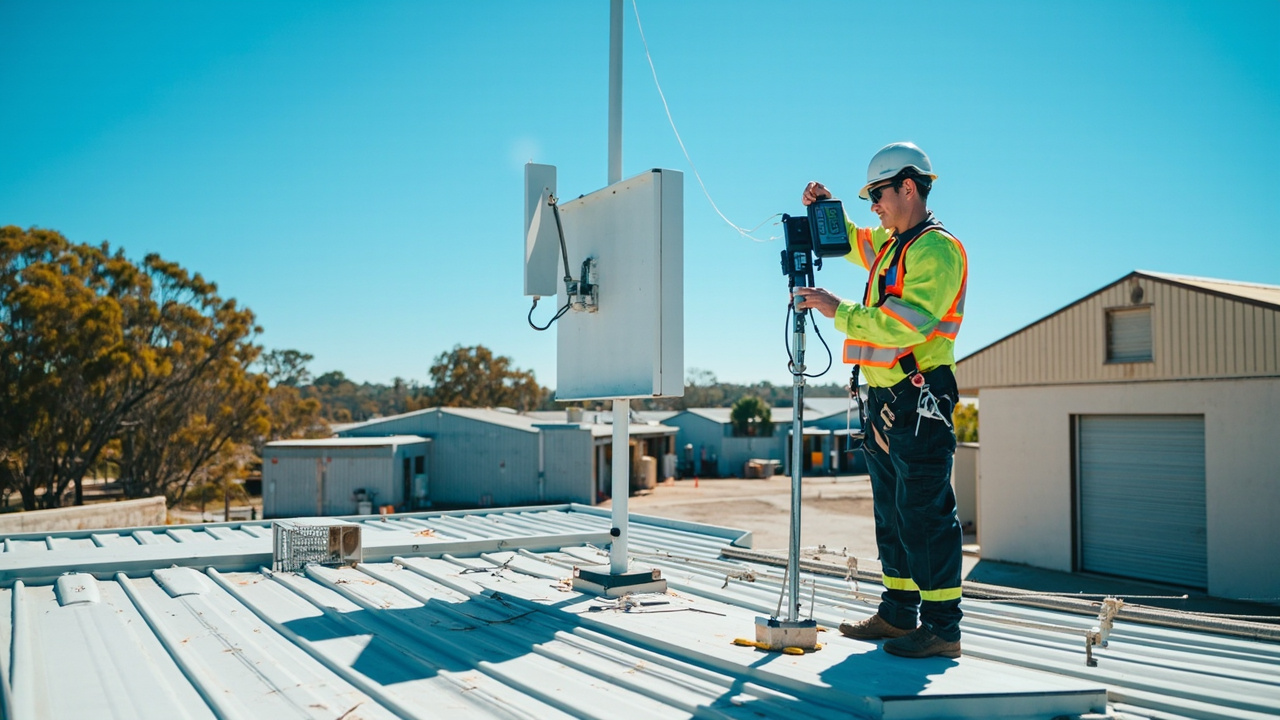
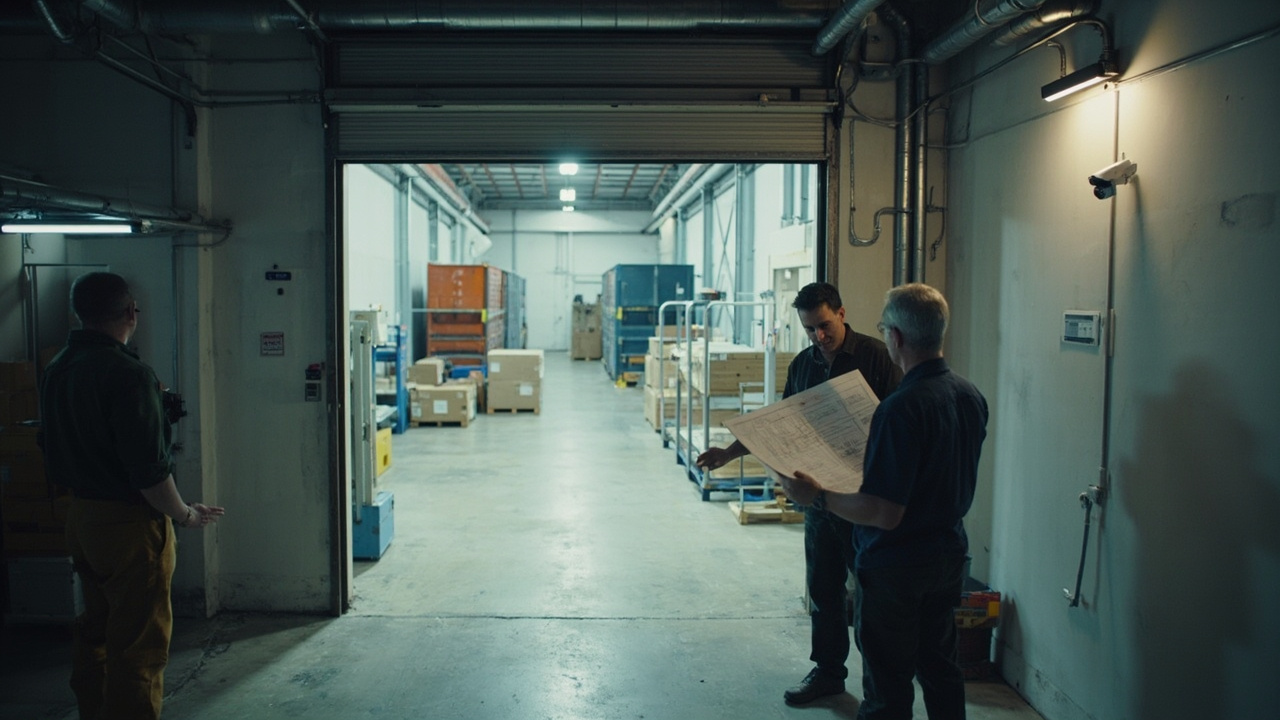
Post-mount commissioning happens after the cameras are physically mounted and powered. We verify the installed coverage against the approved site plan, test footage under normal daytime and typical night conditions, and adjust any angles or mounting if gaps are found. The duration depends on site complexity and access but is usually completed within the same day or the next business day after mounting, once power, network, and any other trades are ready. A…
Camera Placement Lighting and Recorder Location · 2026-10-01 What is the typical process to verify the camera coverage after installation?We perform commissioning checks to confirm the installed cameras align with the approved site plan and cover key areas such as entrances and approach paths under normal lighting. We review camera angles, lens choices, and mounting height to ensure the footage will support practical security needs. If gaps are found, we adjust mounting and angles and re-test under day and night conditions. Documentation of the final coverage is provided and a follow-up chec…
Camera Placement Lighting and Recorder Location · 2026-08-16 After mounting, how do you verify the cameras actually cover the right areas?We run commissioning checks after mounting to confirm the installed cameras match the approved coverage and angles. This includes confirming the view aligns with the site plan and that key areas like entrances and approach paths are clearly covered under typical lighting. Final views are verified under representative conditions so the footage will serve practical security and evidentiary needs. If gaps are found, we can revisit mounting settings and alignm…
 11 Q&A
Business Phone Systems
 9 Q&A
NEC On-Premise Phone Systems
 10 Q&A
NEC UNIVERGE BLUE Cloud Communications
 7 Q&A
Cloud Versus On-Premise Phone Systems
 8 Q&A
Supporting Upgrading or Replacing Older NEC Systems
Cable distance can determine whether a camera can connect directly over copper or whether the network design needs an intermediate switch, fibre link or different equipment arrangement. Long runs also affect cable routes, power planning and fault finding. Camera placement is about useful evidence, not simply covering the widest possible area. Position, lens, height, angle, light and the likely movement of people or vehicles all affect the result. Pacific …
Camera Placement Lighting and Recorder Location · 2026-07-22 What should the customer approve before cameras are permanently mounted?Before permanent mounting, the customer should approve the intended areas of coverage, privacy boundaries, approximate viewing angles, recorder location and any visible conduit or mounting compromises. Final views should then be checked after installation under representative conditions. The survey should check entrances, approach paths, backlight, night lighting, reflections, temporary obstructions, trees, parked vehicles, weather exposure, cable distanc…
Camera Placement Lighting and Recorder Location · 2026-07-21 Why should low-light performance be tested at the actual site?Low-light performance should be tested onsite because catalogue specifications cannot reproduce the site’s real darkness, reflections, nearby lights, moving vehicles and changing weather. A view that looks acceptable during the day may not provide useful evidence at night. The survey should check entrances, approach paths, backlight, night lighting, reflections, temporary obstructions, trees, parked vehicles, weather exposure, cable distance and the route…
 9 Q&A
Remote Work Mobile Apps and Softphones
 11 Q&A
Call Flow Reception and Multi-Site Communications
 10 Q&A
Business Headsets and Communication Accessories
 8 Q&A
VoIP Security and Session Border Controllers
 8 Q&A
CAT6 and CAT6A Structured Cabling
An NVR or recorder should be placed where it is secure, adequately ventilated, serviceable and connected to suitable power and network infrastructure. Noise, heat, access by unauthorised people and the route of every camera cable also matter. Camera placement is about useful evidence, not simply covering the widest possible area. Position, lens, height, angle, light and the likely movement of people or vehicles all affect the result. Pacific can use the s…
Camera Placement Lighting and Recorder Location · 2026-07-20 What should be considered when choosing CCTV camera positions?Detailed placement planning matters where identification, licence plates, loading areas, low-light operation or a mix of indoor and outdoor scenes is important. Camera placement is about useful evidence, not simply covering the widest possible area. Position, lens, height, angle, light and the likely movement of people or vehicles all affect the result.
Camera Placement Lighting and Recorder Location · 2026-07-20 How do sunlight and backlight affect security footage?Strong sunlight, reflections and backlight can leave faces or number plates too dark while the background appears bright. Camera position, angle, exposure capability and the changing direction of light should therefore be considered at the actual site. Camera placement is about useful evidence, not simply covering the widest possible area. Position, lens, height, angle, light and the likely movement of people or vehicles all affect the result. Pacific can…