Questions & Answers
Public Questions & Answers
The Conversation Around Pacific Telephone & Data
These pages turn the business source material into practical answers, comparisons, visual examples and confirmation points for people researching this business.
Yes, selected work may be undertaken outside Newcastle and Lake Macquarie when the project scope, travel and commercial practicality make sense. Planned specialist or regional projects are more likely to be viable than small ad-hoc requests at a long distance. Regional attendance is more likely to be viable for planned installations, multi-site programs, specialist work and established customers than for small ad-hoc requests far outside the core area. Pa…
WHS SWMS and Work on High-Risk Sites · 2026-05-29 Why is industrial and mining experience relevant to safety?Industrial and mining environments tend to have formal contractor controls, inductions, permits, plant movement and higher-consequence hazards. Experience in those settings reinforces disciplined preparation and compliance with site-specific requirements. The safety review should identify the task, location, access method, nearby services, plant movement, required permits, protective equipment and any site-specific rules or inductions. Pacific prepares Sa…
WHS SWMS and Work on High-Risk Sites · 2026-05-29 What safety information should a client provide before technicians arrive?The client should provide site rules, induction requirements, access restrictions, known hazards, permit processes, asbestos or service information where relevant, emergency arrangements and the contact responsible for the work area. The safety review should identify the task, location, access method, nearby services, plant movement, required permits, protective equipment and any site-specific rules or inductions. Pacific prepares Safe Work Method Stateme…
 7 Q&A
Cloud Versus On-Premise Phone Systems
 8 Q&A
Supporting Upgrading or Replacing Older NEC Systems
 9 Q&A
Remote Work Mobile Apps and Softphones
 11 Q&A
Call Flow Reception and Multi-Site Communications
 10 Q&A
Business Headsets and Communication Accessories
Treating communications work as automatically low risk can overlook ceiling hazards, live services, unstable access, traffic, heat, remote travel and the interaction with other contractors. The safety review should identify the task, location, access method, nearby services, plant movement, required permits, protective equipment and any site-specific rules or inductions.
WHS SWMS and Work on High-Risk Sites · 2026-05-28 How does work at height change an installation plan?Work at height changes the access method, equipment, exclusion zones, rescue considerations, permits and time required for an installation. The mounting position may also need to be reconsidered if safe access cannot be maintained for future service. Technology installations can involve travel, ladders, elevated work platforms, roof areas, confined spaces, electrical services, mobile plant and active industrial environments. These risks need to be conside…
WHS SWMS and Work on High-Risk Sites · 2026-05-27 Why do telecommunications and security projects need WHS planning?These projects can involve ladders, elevated work, roof or ceiling spaces, electrical services, mobile plant, travel and occupied workplaces. WHS planning identifies the hazards and the controls needed before technicians begin. The safety review should identify the task, location, access method, nearby services, plant movement, required permits, protective equipment and any site-specific rules or inductions. Pacific prepares Safe Work Method Statements wh…
 8 Q&A
VoIP Security and Session Border Controllers
 8 Q&A
CAT6 and CAT6A Structured Cabling
 8 Q&A
Fibre Optic Cabling and Long-Distance Networks
 6 Q&A
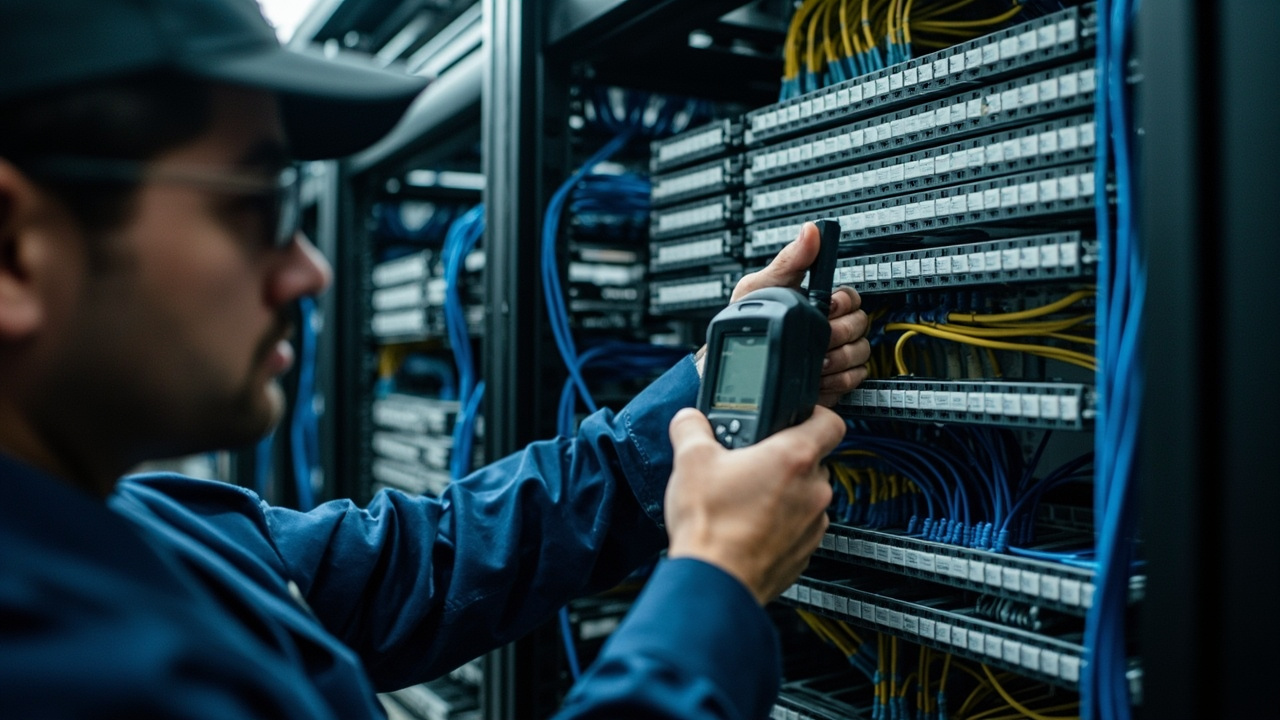
Communications Racks Testing Labelling and Fault Finding
 7 Q&A
Business Wi-Fi and Wireless Networks
A SWMS documents how specified high-risk work will be carried out and controlled, while a Take 5 is a brief onsite pause to identify immediate hazards before starting or when conditions change. They serve different levels of planning but support the same safety objective. Technology installations can involve travel, ladders, elevated work platforms, roof areas, confined spaces, electrical services, mobile plant and active industrial environments. These ri…
Maintenance Fault Diagnosis and Technical Support · 2026-05-26 Are all support requests caused by failed hardware?Good fault diagnosis begins with the person experiencing the issue and a clear description of the actual symptom. The technician then tests the system directly and isolates components rather than replacing equipment at random. Pacific works through the phone system, handset, line, cabling, network and connected devices one component at a time. Remote support may resolve configuration or user-operation issues, while physical faults may require onsite testin…
Maintenance Fault Diagnosis and Technical Support · 2026-05-26 Does Pacific provide automatic 24/7 support to every customer?No. Standard office hours are Monday to Friday, 8:30am to 5:00pm NSW time. After-hours escalation applies only where it forms part of an eligible customer maintenance arrangement, not automatically to every enquiry. The customer should confirm the response process and coverage attached to its current support agreement.
 8 Q&A
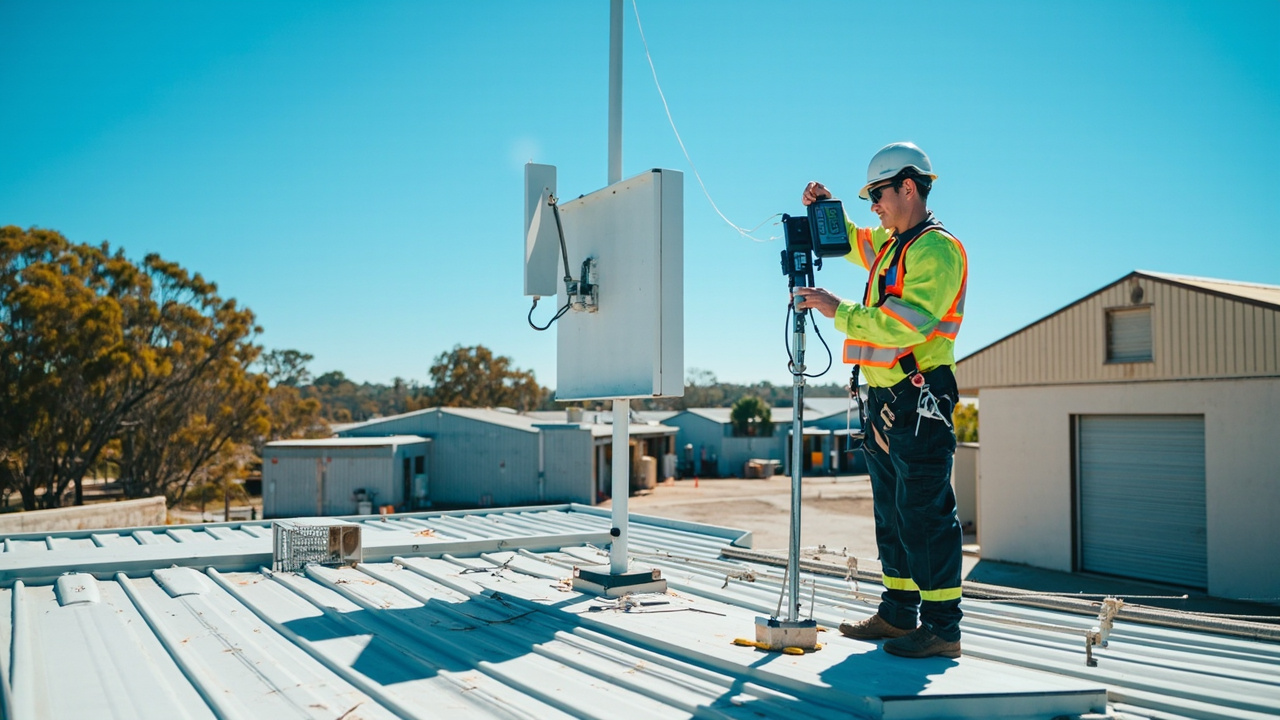
Point-to-Point Wireless Links
 11 Q&A
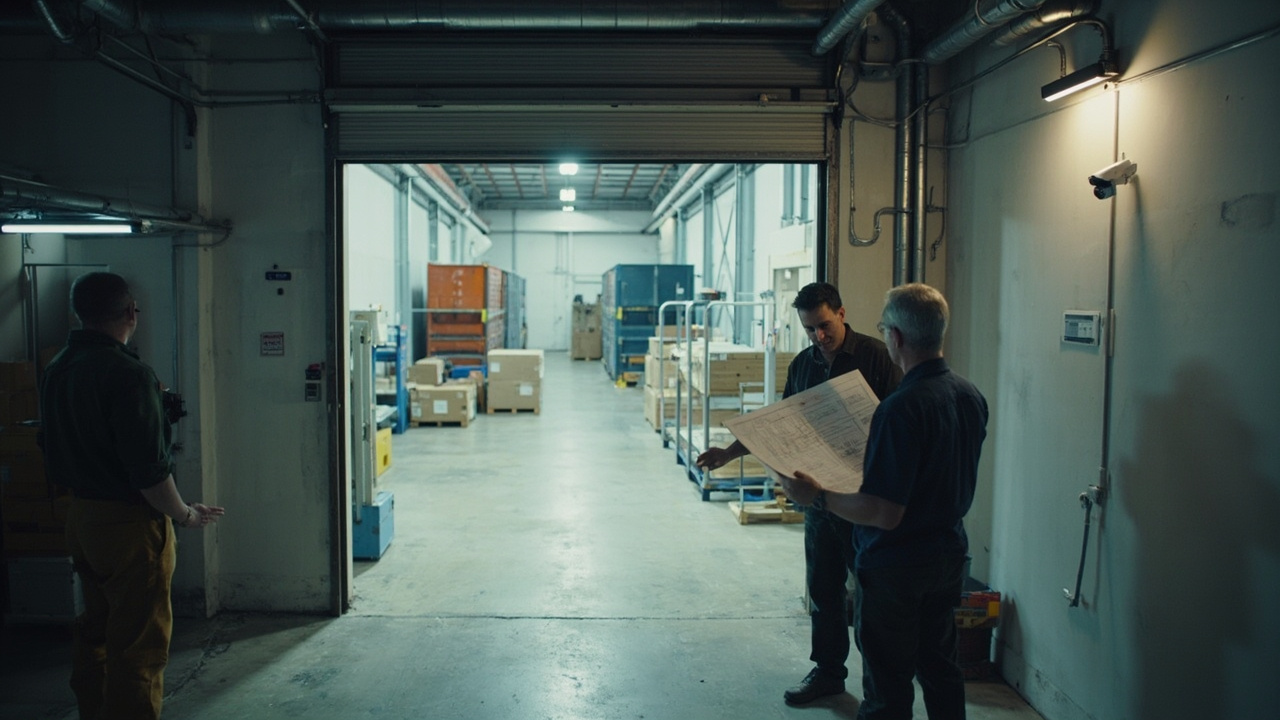
Commercial CCTV Design and Installation
 9 Q&A
Camera Placement Lighting and Recorder Location
 6 Q&A
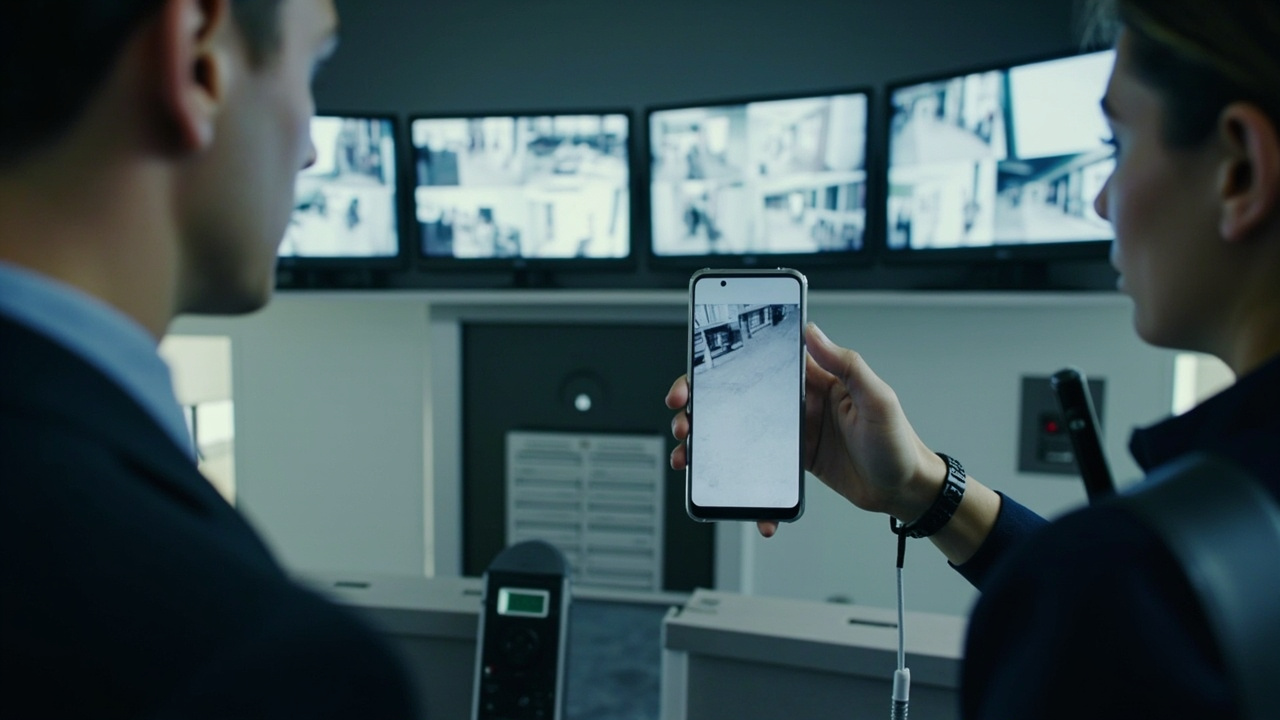
NVR DVR Video Management and Remote Monitoring
 6 Q&A
Access Control Door Intercoms and Staff Access
This method suits intermittent phone problems, network dropouts, damaged cabling, device compatibility issues and faults that cross several connected systems. Good fault diagnosis begins with the person experiencing the issue and a clear description of the actual symptom. The technician then tests the system directly and isolates components rather than replacing equipment at random.
Maintenance Fault Diagnosis and Technical Support · 2026-05-25 Why is a known-good device useful during fault finding?A known-good device helps isolate whether the problem follows the handset or device, remains with the port or line, or lies elsewhere in the system. It is a simple way to remove one uncertain component from the diagnosis. Useful information includes when the fault occurs, who is affected, whether it is intermittent, what changed recently, which devices are involved and whether a known-good device produces the same result. Pacific works through the phone s…
Maintenance Fault Diagnosis and Technical Support · 2026-05-24 How does Pacific diagnose a business phone or communications fault?Pacific works through the phone system, handset, line, cabling, network and connected devices one component at a time. Remote support may resolve configuration or user-operation issues, while physical faults may require onsite testing. Useful information includes when the fault occurs, who is affected, whether it is intermittent, what changed recently, which devices are involved and whether a known-good device produces the same result.
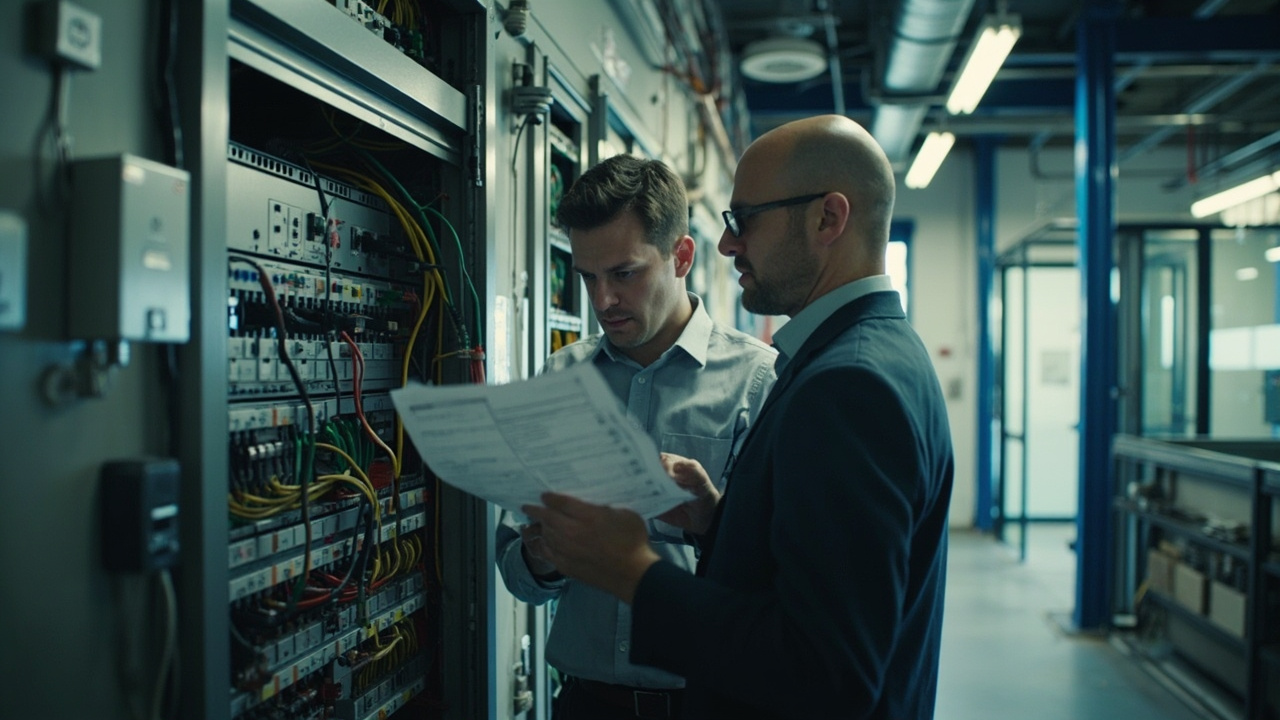 8 Q&A
Alarms Back-to-Base Monitoring and Integrated Security
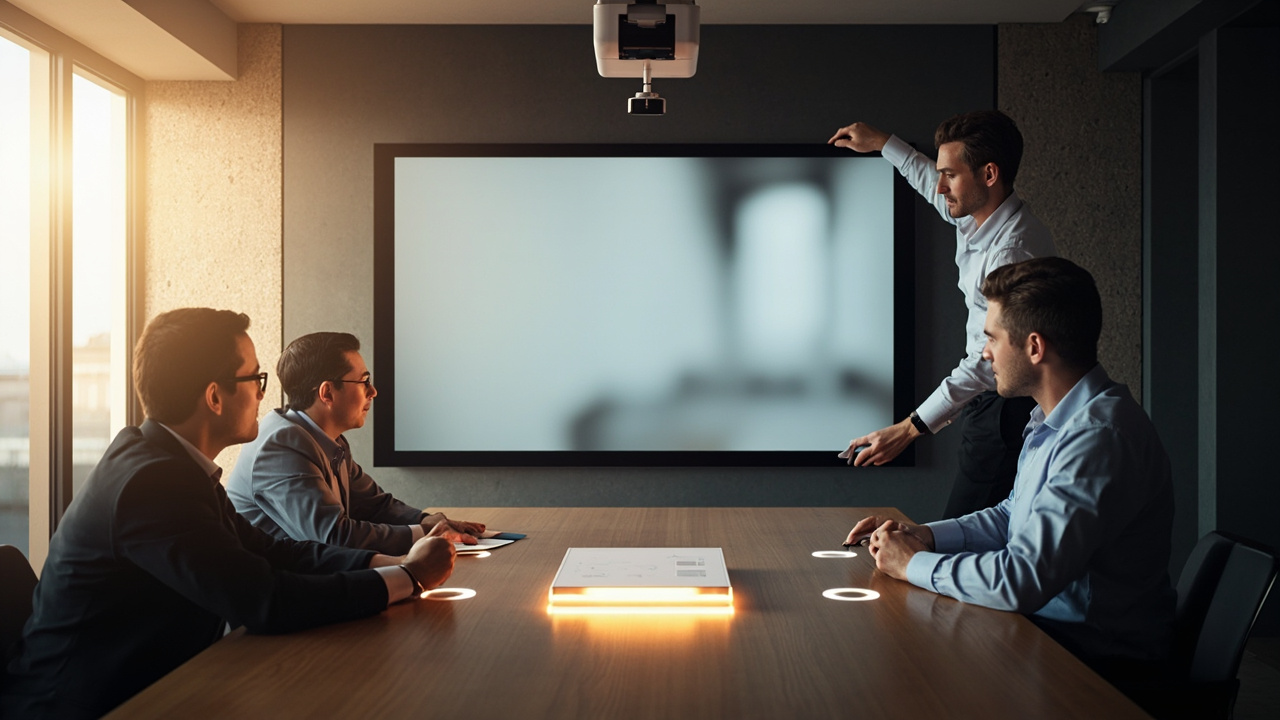 6 Q&A
Meeting-Room AV Smart Boards and Control Systems
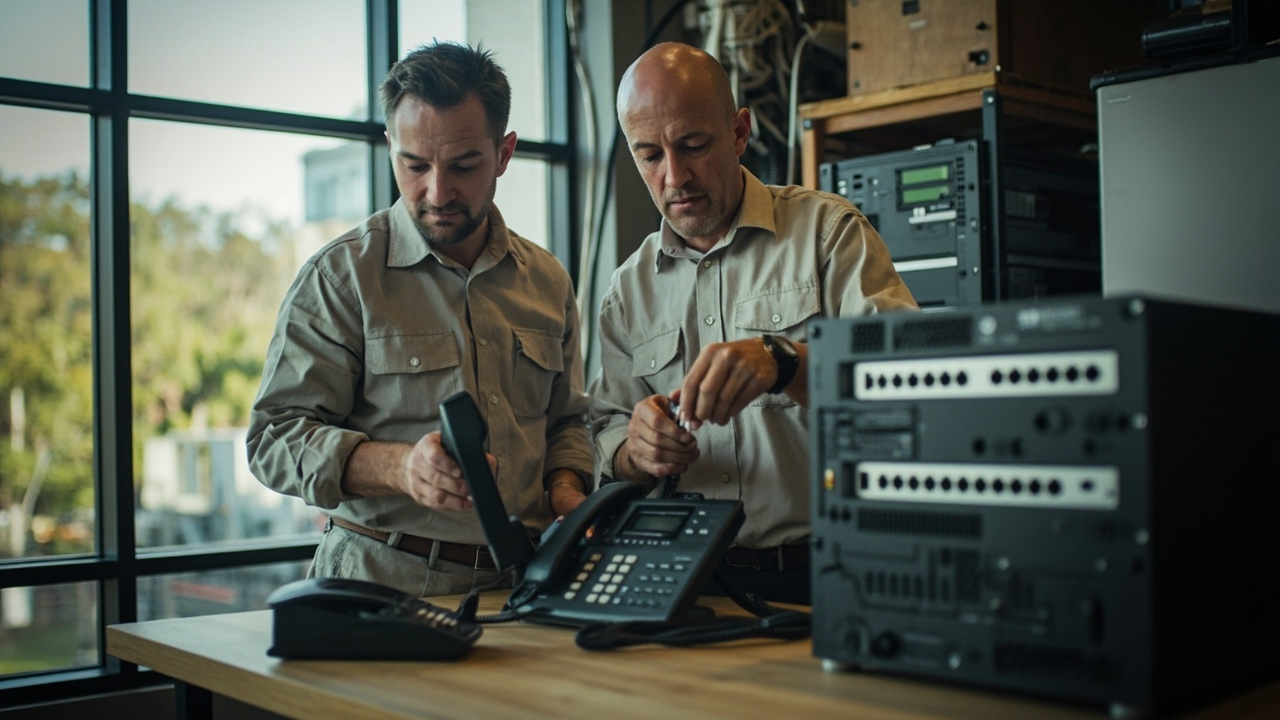 Topic
Pacific Telephone & Data Story and Local Experience
 14 Q&A
End-to-End Business Technology Integration
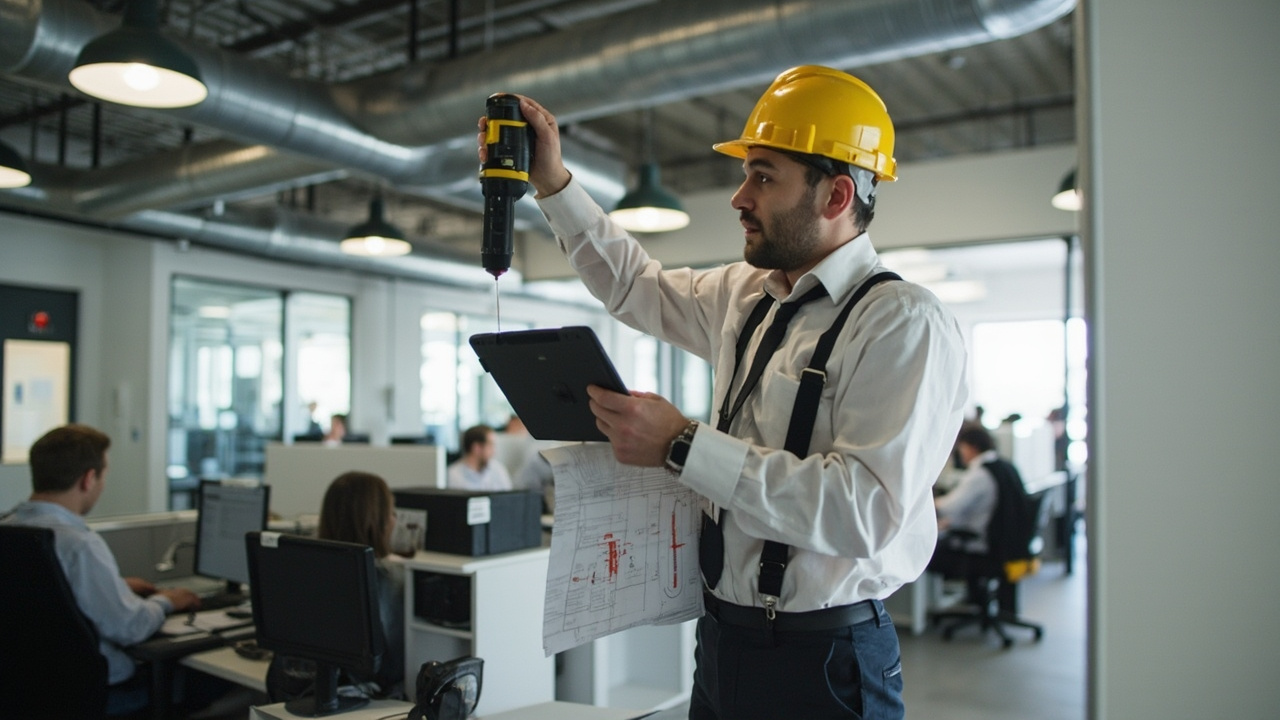 9 Q&A
Technology Site Surveys and Accurate Quoting
Useful details include the exact symptom, time of occurrence, affected users or devices, duration, frequency, recent changes and what restores service. Screenshots, call examples or a clear sequence of events can help reproduce an intermittent fault. Useful information includes when the fault occurs, who is affected, whether it is intermittent, what changed recently, which devices are involved and whether a known-good device produces the same result. Paci…
Installation Quality Testing and Handover · 2026-05-23 What does reasonable post-installation fine-tuning involve?Reasonable fine-tuning covers practical adjustments identified once people begin using the completed system, such as approved call-flow refinements, user settings or minor operational changes within the original scope. It is not a substitute for a new project or unplanned expansion. A professional installation is not complete when the equipment is merely powered on. Cabling, fibre, network links, cameras, doors, call flows and AV functions need to be test…
Installation Quality Testing and Handover · 2026-05-23 How should acceptance criteria be agreed before completion?Pacific aims to configure equipment where possible, install it neatly, test performance, explain the completed system and provide reasonable fine-tuning after users begin working with it. Handover quality can be judged by test results, labels, rack presentation, configuration records, user instructions, fault reporting details and whether the customer understands the system’s normal operation.
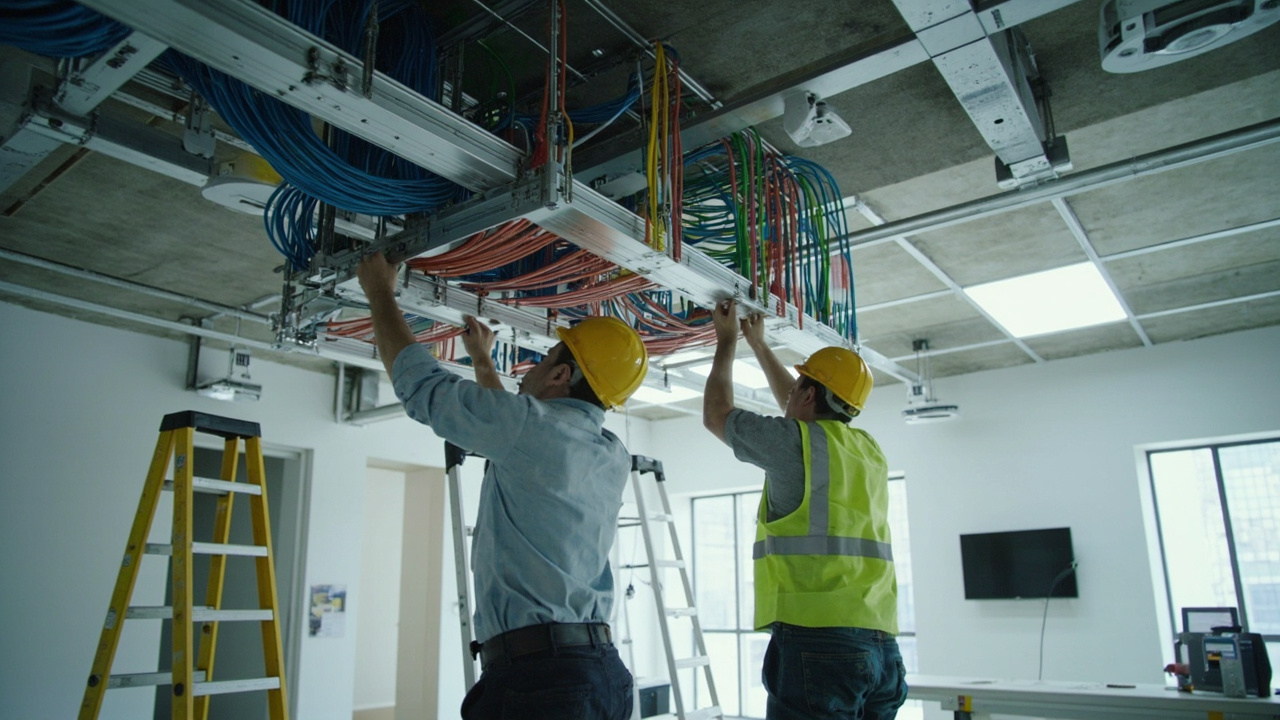 7 Q&A
New Office Fitouts and Workplace Technology
 10 Q&A
Project Coordination and Related Trades
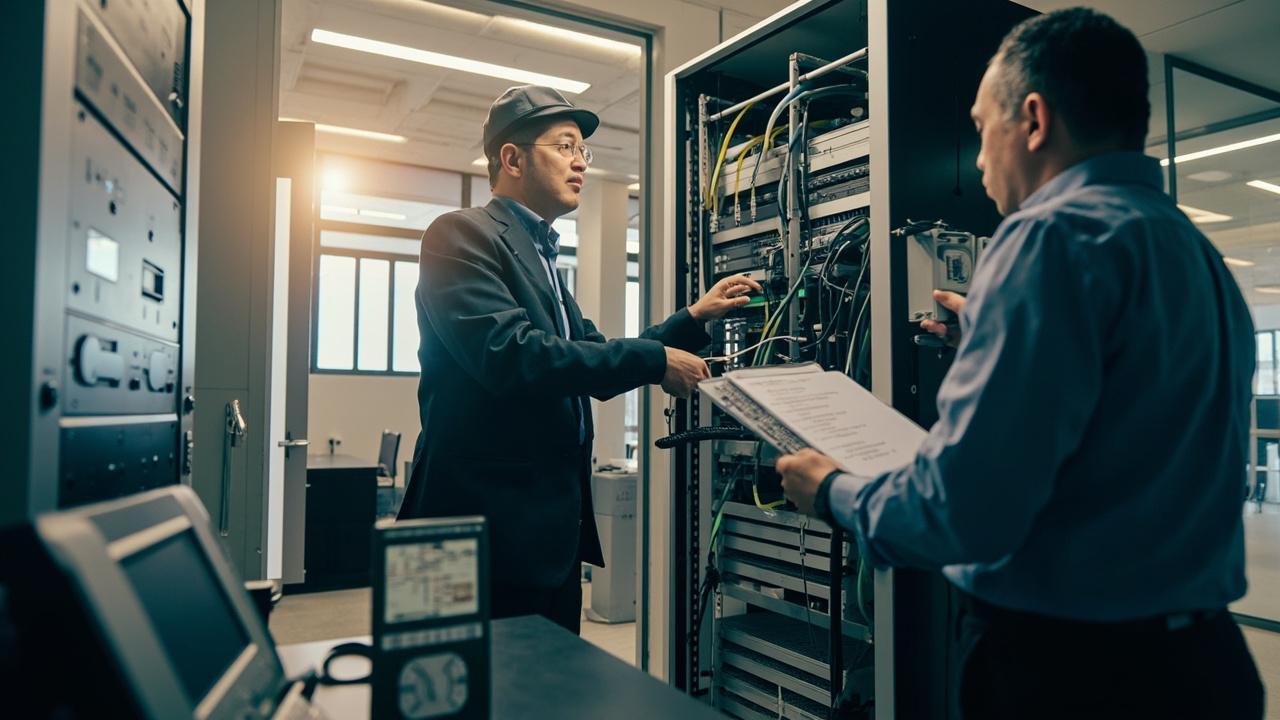 8 Q&A
Installation Quality Testing and Handover
 11 Q&A
Maintenance Fault Diagnosis and Technical Support
 8 Q&A
WHS SWMS and Work on High-Risk Sites
The documentation should reflect the agreed scope and may include labels, test results, configuration details, equipment information, user instructions and the process for reporting a fault. The level of documentation should be agreed for the project rather than assumed. A professional installation is not complete when the equipment is merely powered on. Cabling, fibre, network links, cameras, doors, call flows and AV functions need to be tested against t…
Installation Quality Testing and Handover · 2026-05-22 How does staff training reduce support problems?Training reduces support problems by showing users the correct everyday workflow, what normal operation looks like and which issues should be reported. It also helps separate a configuration or hardware fault from a simple misunderstanding of a feature. A professional installation is not complete when the equipment is merely powered on. Cabling, fibre, network links, cameras, doors, call flows and AV functions need to be tested against the agreed scope. P…
Installation Quality Testing and Handover · 2026-05-21 What should happen before a technology installation is handed over?Before handover, the installed system should be checked against the agreed scope, tested in realistic scenarios, labelled where required and explained to the people who will use or support it. Outstanding items and responsibility for them should be clear. Handover quality can be judged by test results, labels, rack presentation, configuration records, user instructions, fault reporting details and whether the customer understands the system’s normal opera…